Pride Taught Me To Be A Better Person (And Photographer): 10 Lessons From a Northern LGBTQ+ Pride Photographer
I’m the person I am today because of Pride. It has shaped the way I navigate the world and my business.
My favourite time of year is Pride Month. And yes, I know it’s technically just June, but for me, it stretches across at least three months and sometimes, it never really ends. I spend most of my year photographing LGBTQ+ events, but Pride season feels different. It’s electric, political and emotional. And most importantly, it’s personal.
I wouldn't be the person, or the photographer, I am today without Pride.

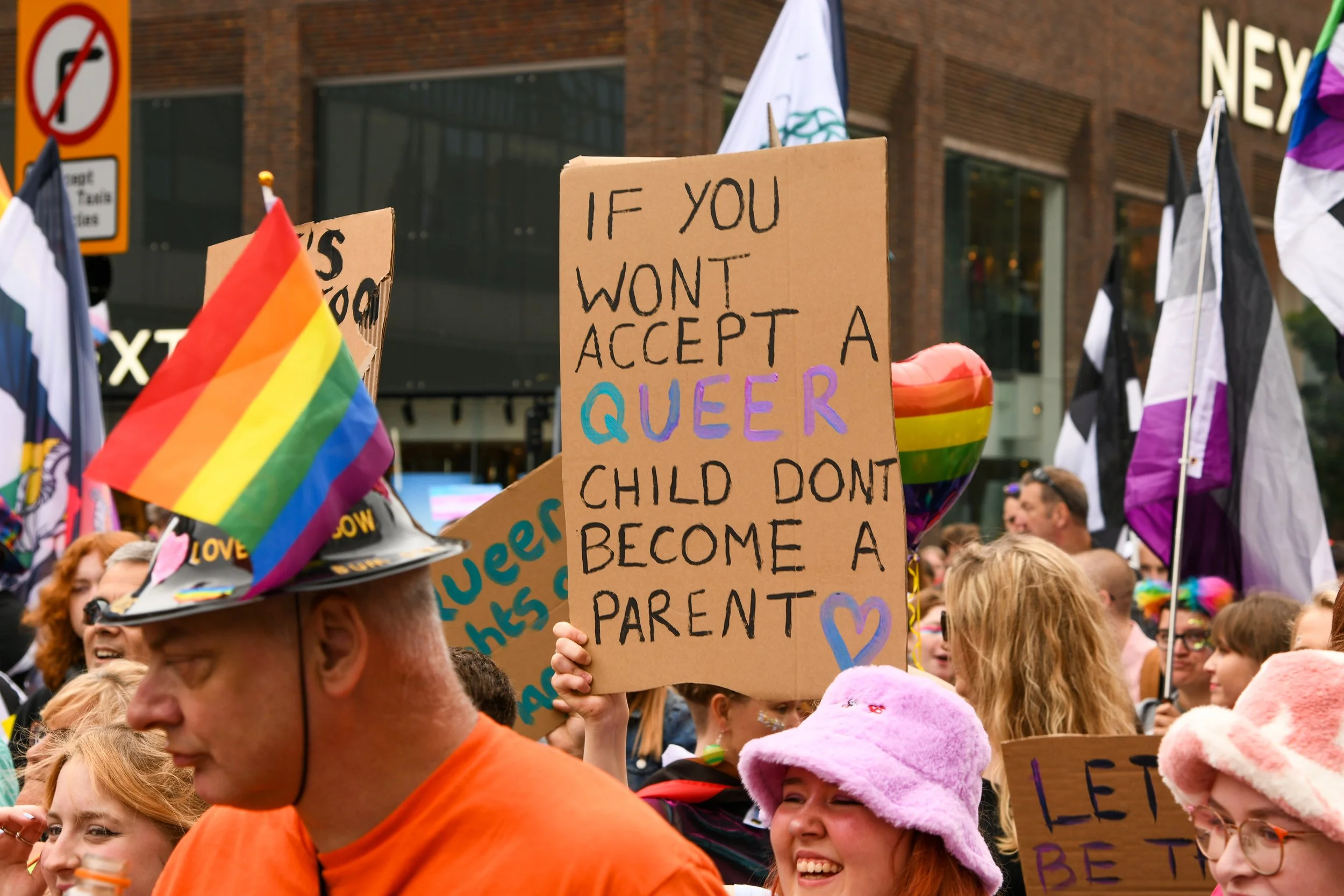
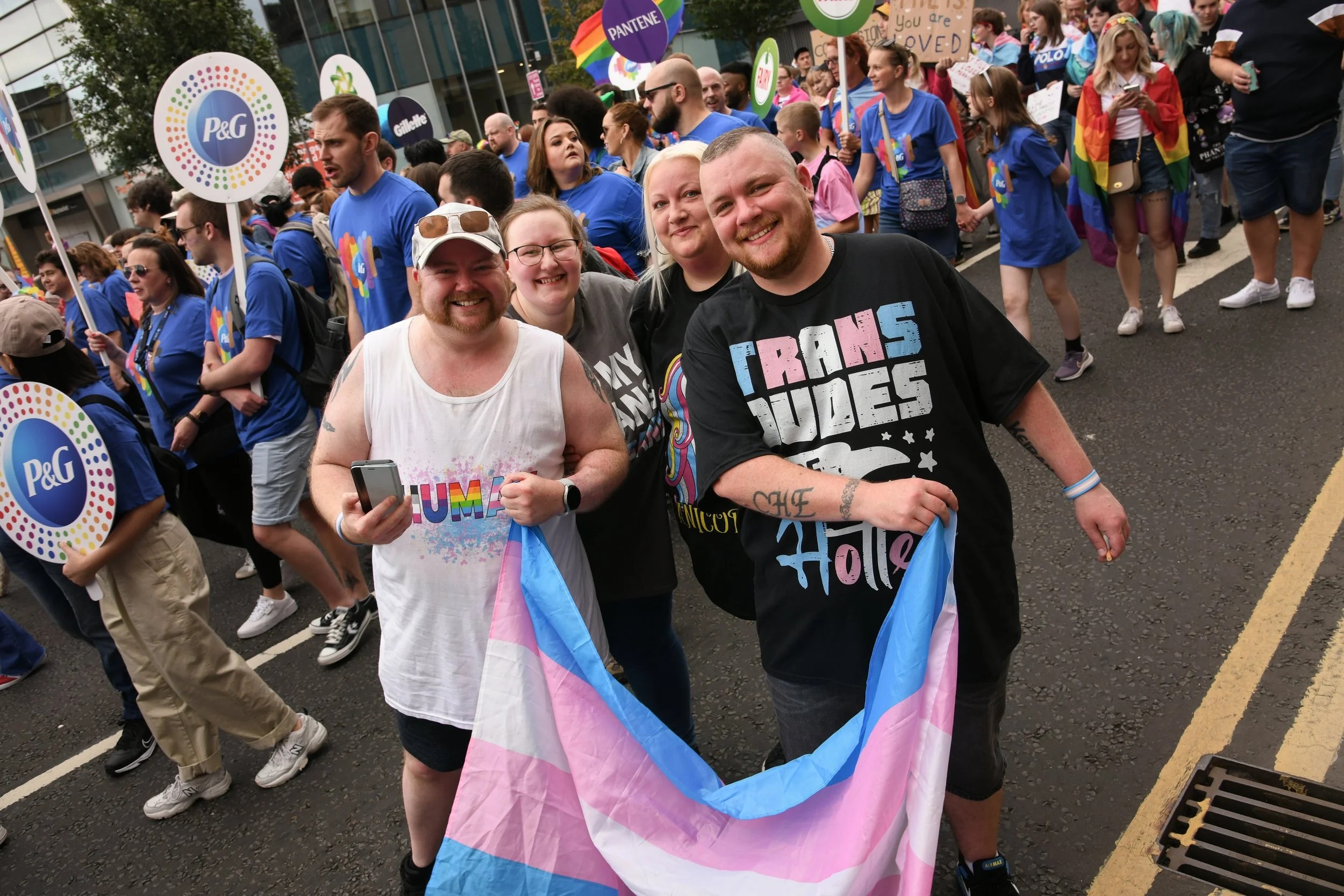
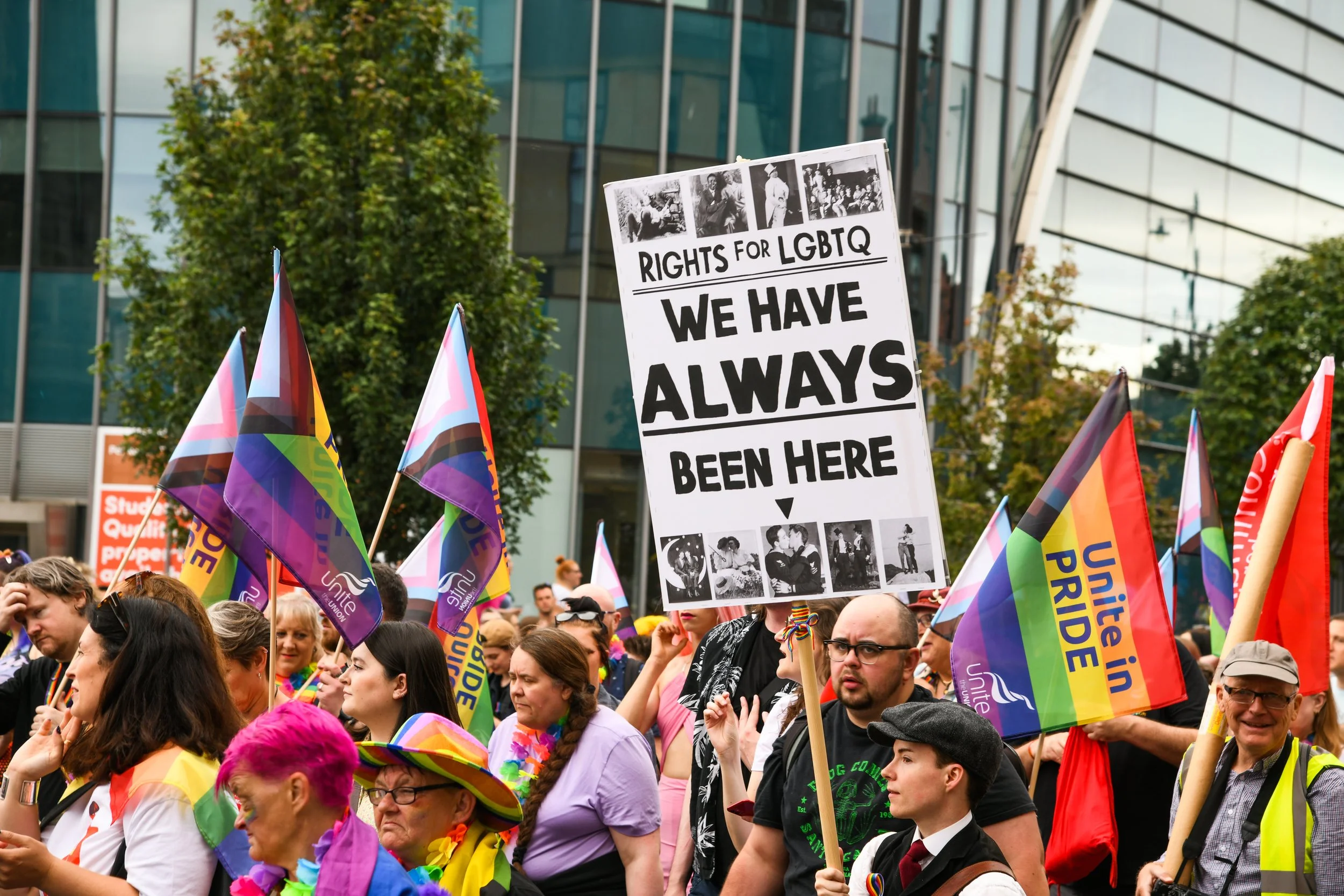
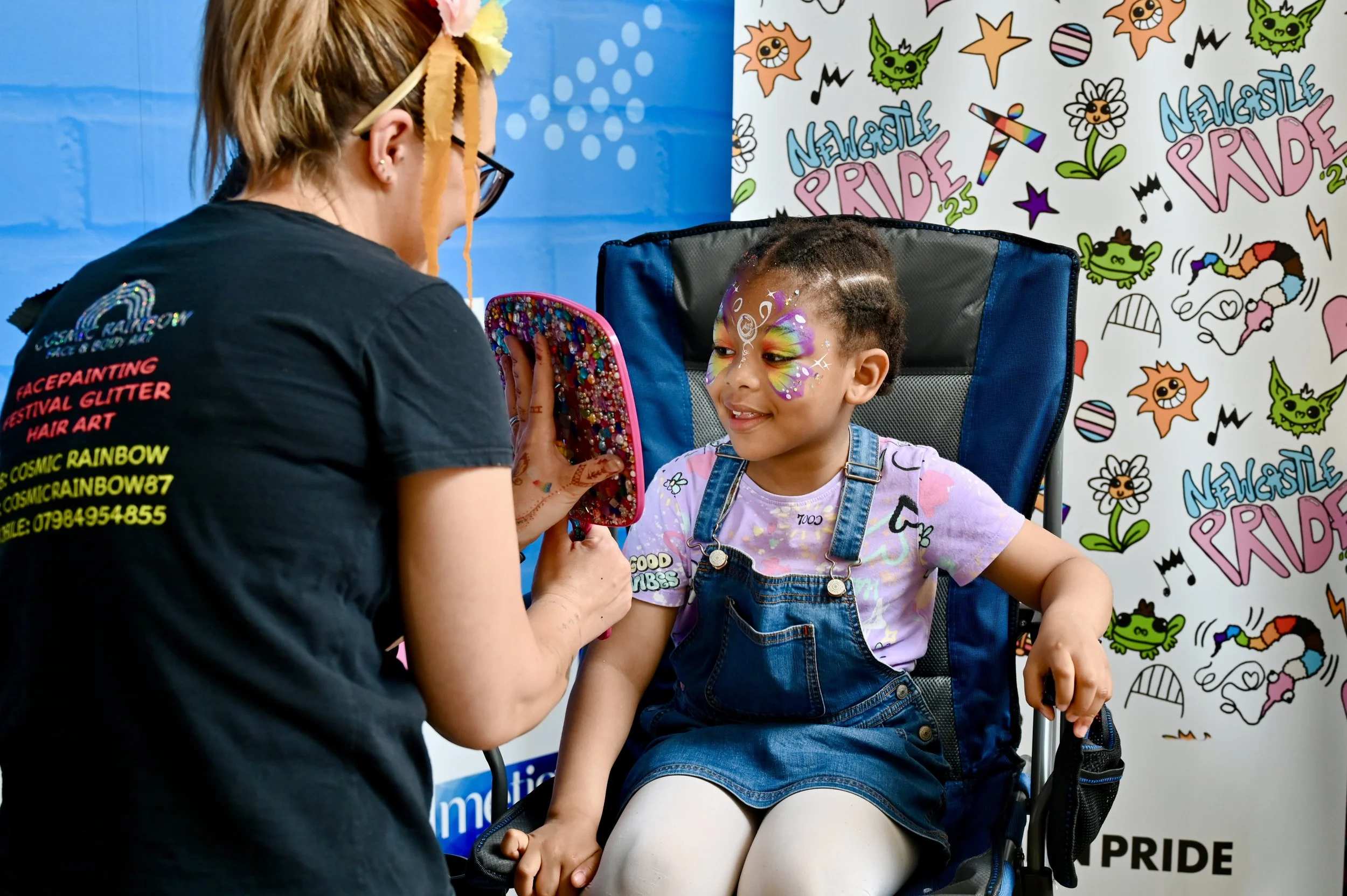
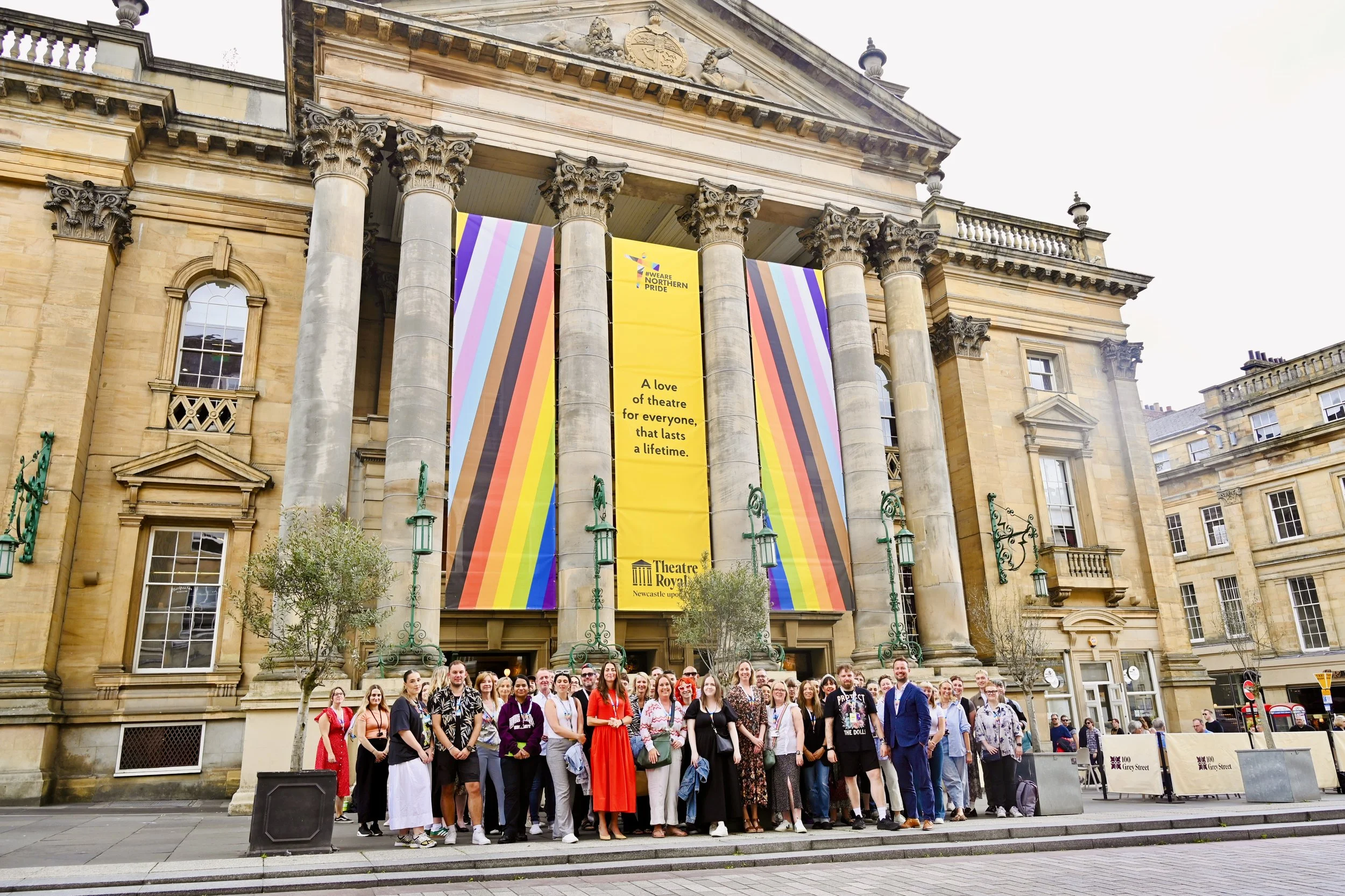
Being a Northern LGBTQ+ Pride photographer means I’ve witnessed the full spectrum of Pride experiences - from the region’s largest city parades to small towns’ first-ever marches with only 30 people. I’ve danced in the streets, protested with my queer family, and captured countless moments of joy and resilience. Each event is unique and each person’s story matters; every frame contributes to the ongoing history of our community.




Discovering Photography At My First Pride
My first Pride was in 2017. I’d not long come out and decided to take my camera with me. Photography was nothing but a hobby back then, and I wasn’t nervous;I was just having fun, soaking in my new-found queerness.
I photographed bursts of colour, Pride parade energy, and a few drag queens whose confidence felt magnetic (little did they know that they’d be stuck with me foreverrr). Without knowing it, I was documenting a movement. In those moments, my camera wasn’t just a tool - it was a time capsule, a witness, and my way of making sense of the world.
That day taught me one of the most important lessons: event photography isn’t linear. You have to flow with the day, embrace unexpected moments, and allow yourself to be part of the environment. The more you relax, move with the energy around you, and let your personality shine through, the better the images become. I learned that I was quite good at moving under pressure and this principle still guides me today, whether I’m photographing Pride, a wedding, or a portrait session.

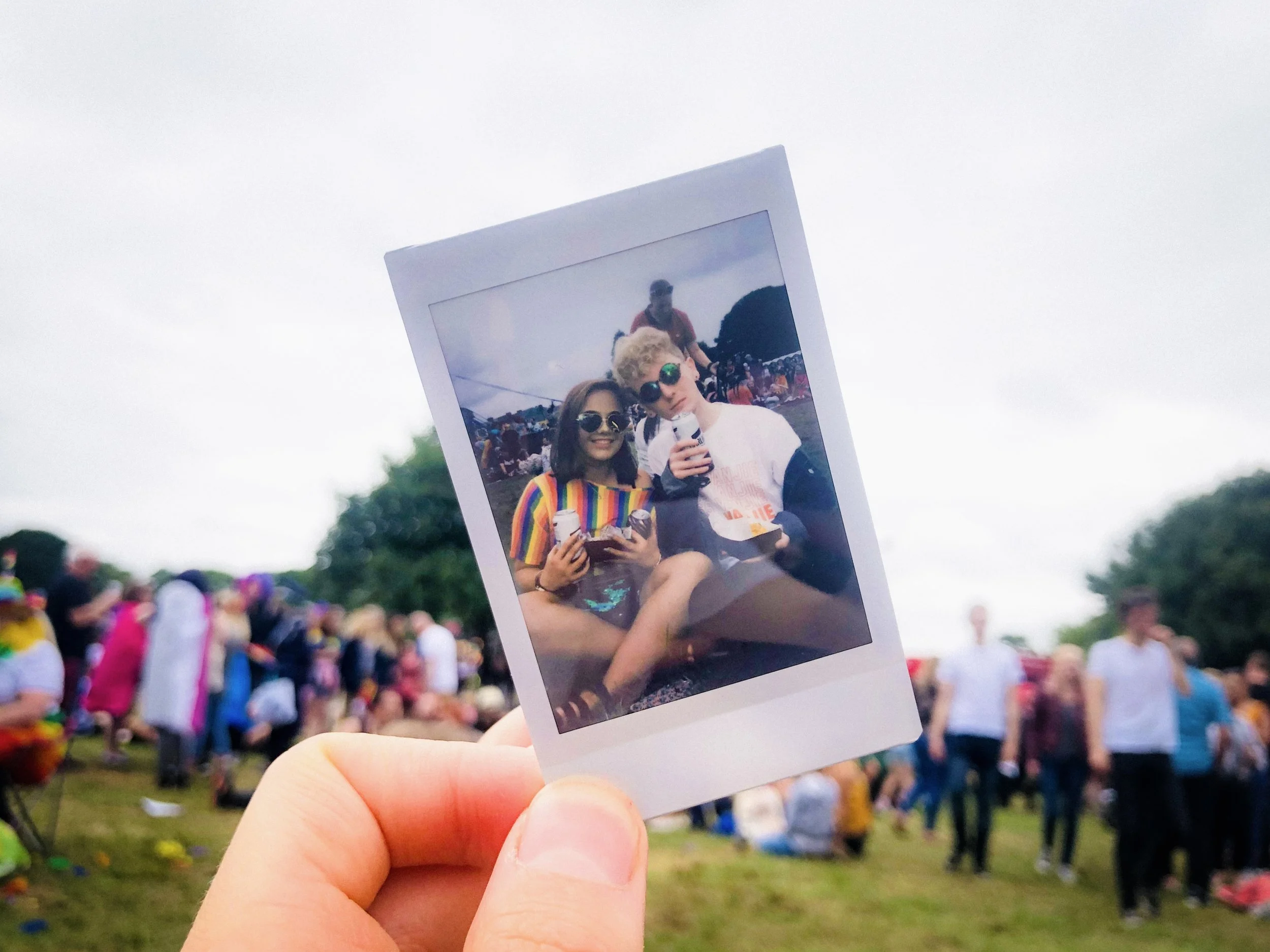
Actual image from my first ever pride in 2017, by no means perfect but we all have to start somewhere. As you can tell, I was heavily inspired by the Pinterest Colour Splash trend.
From Hobbyist to Professional Pride Photographer
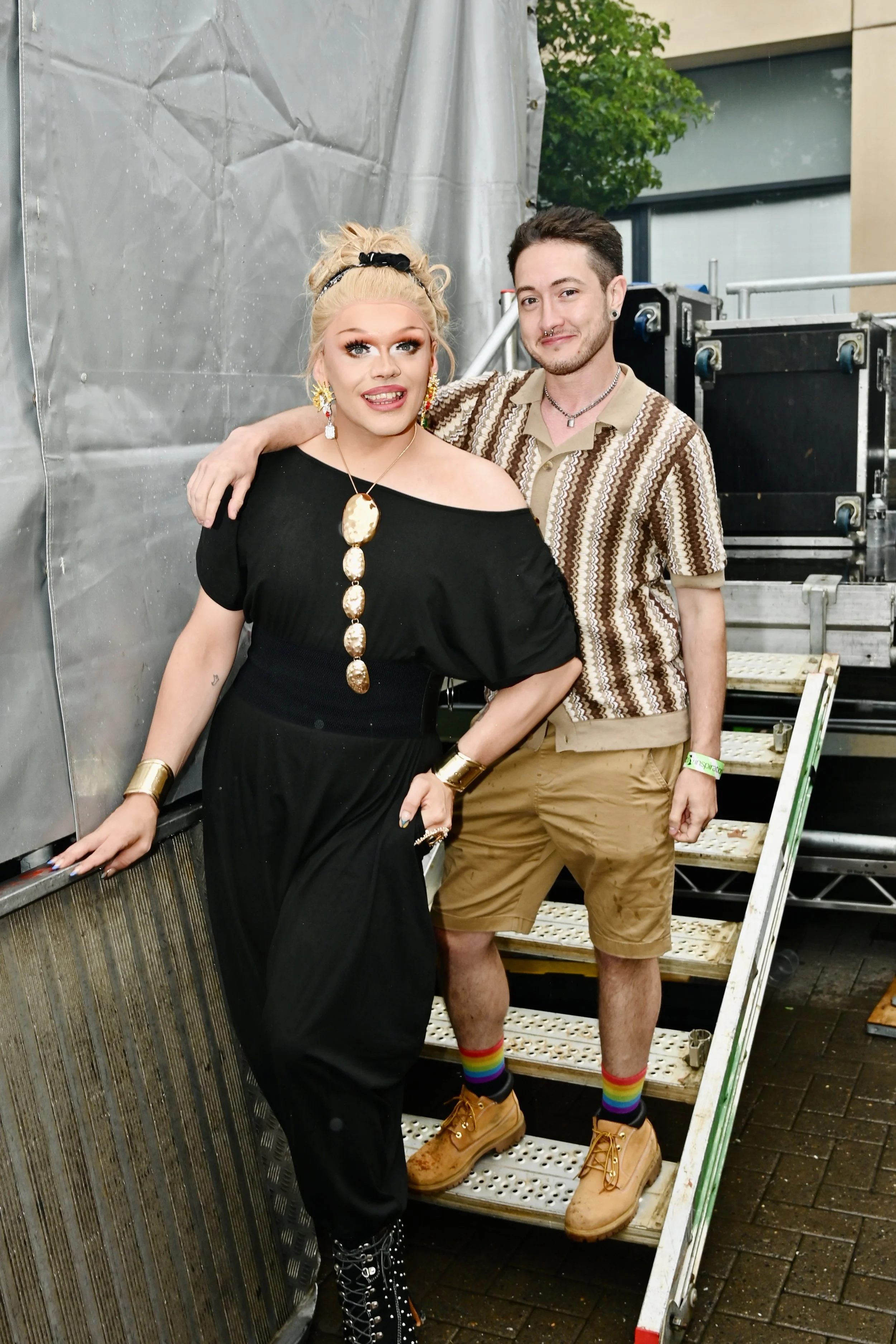
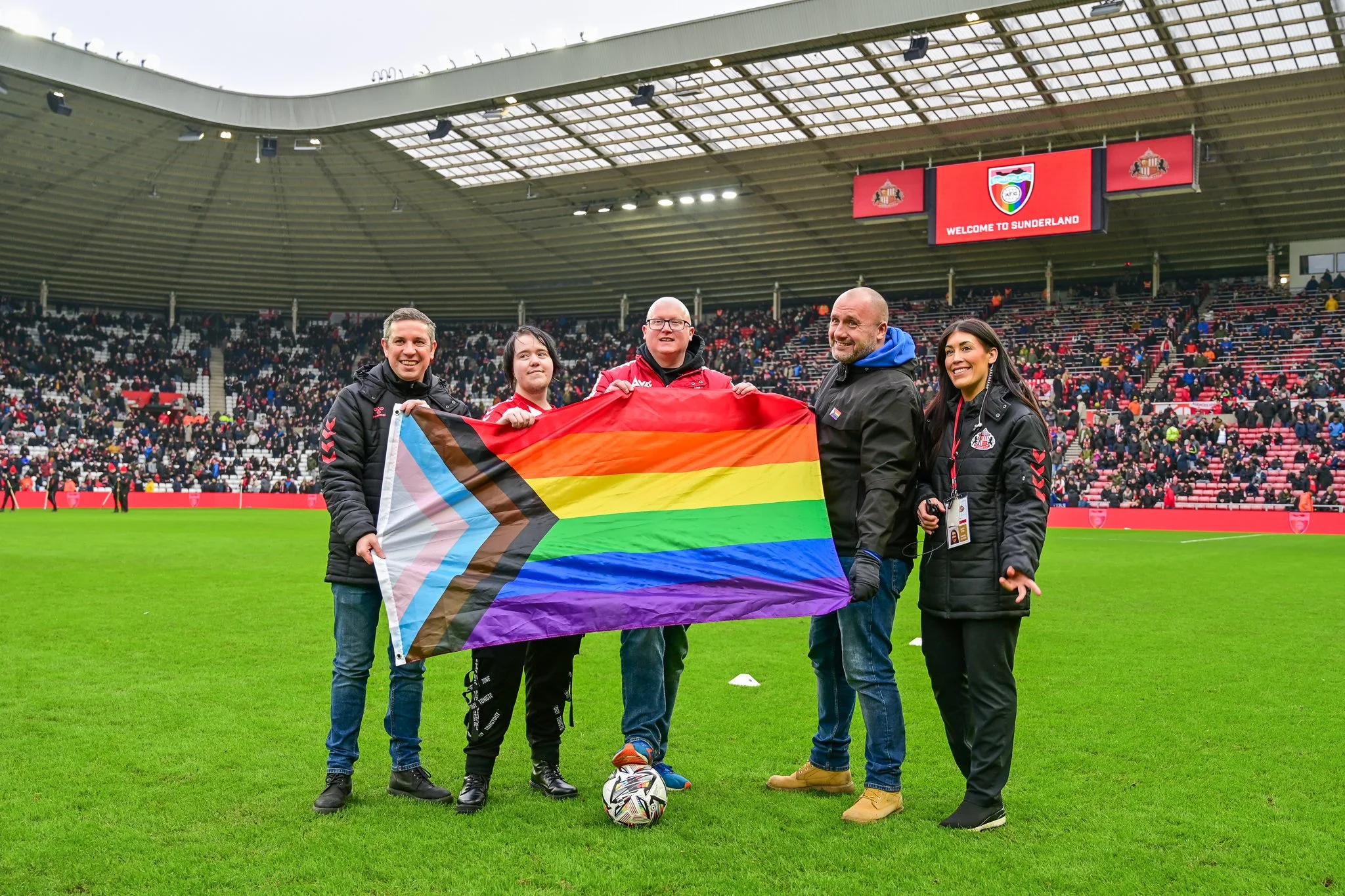
Almost a decade later, I now photograph Pride events as my job. I work closely with organisations across the North East including Newcastle Pride, Out North East, and Curious Arts, documenting moments that matter for social media, Pride guides and archives.
Since that first Pride in 2017, I’ve been lucky enough to make this work my career and everything I’ve learned along the way has shaped how I approach photography beyond Pride, from weddings to portraits and creative shoots.
Spending years capturing events across the North East taught me more than technical skills, it taught me about representation, inclusivity, empathy, and storytelling. Those lessons now shape everything I do, ensuring every person feels celebrated and valued. Pride showed me that photography isn’t just about taking pictures; it’s about documenting history, culture, and activism, lessons I carry into every shoot.

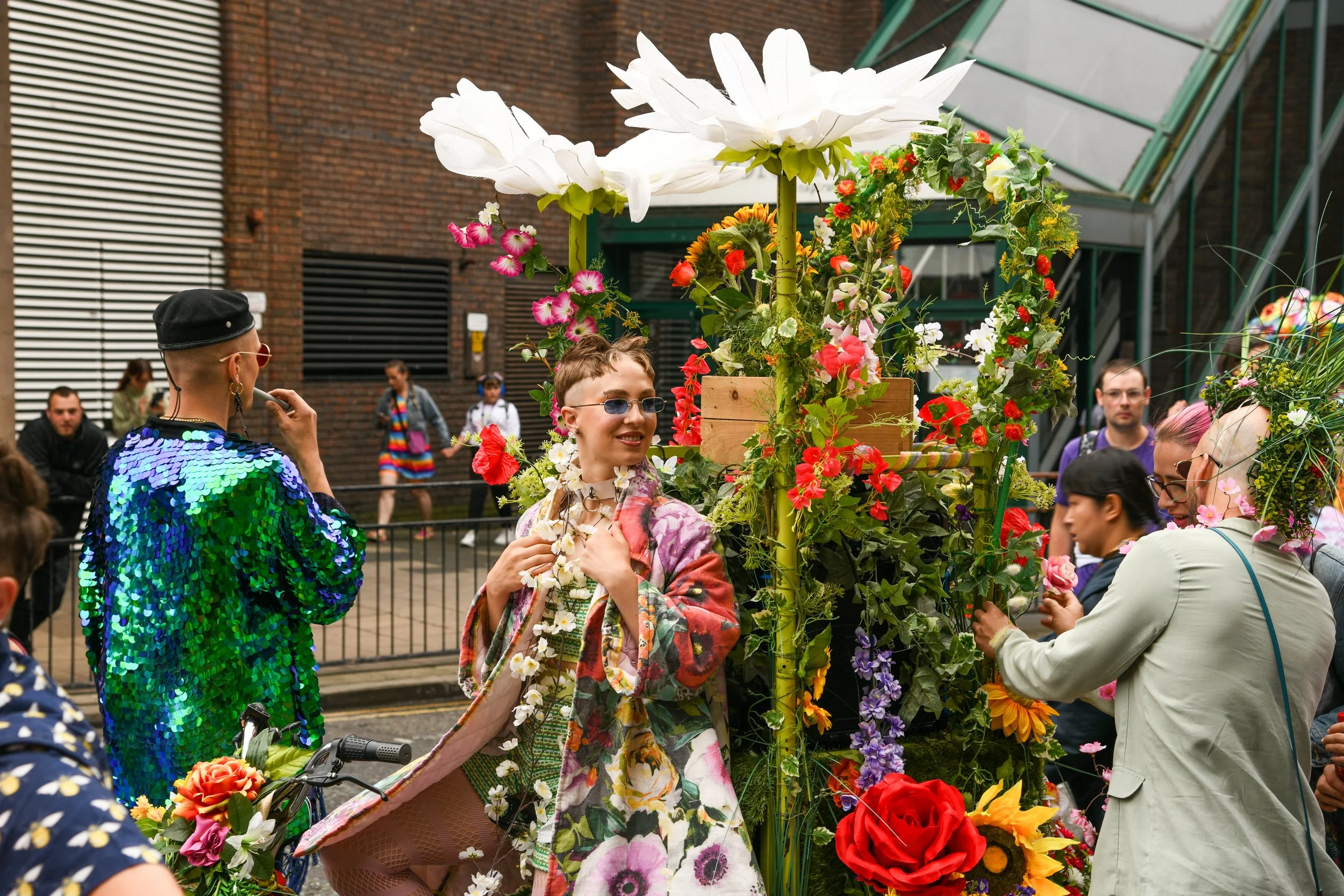

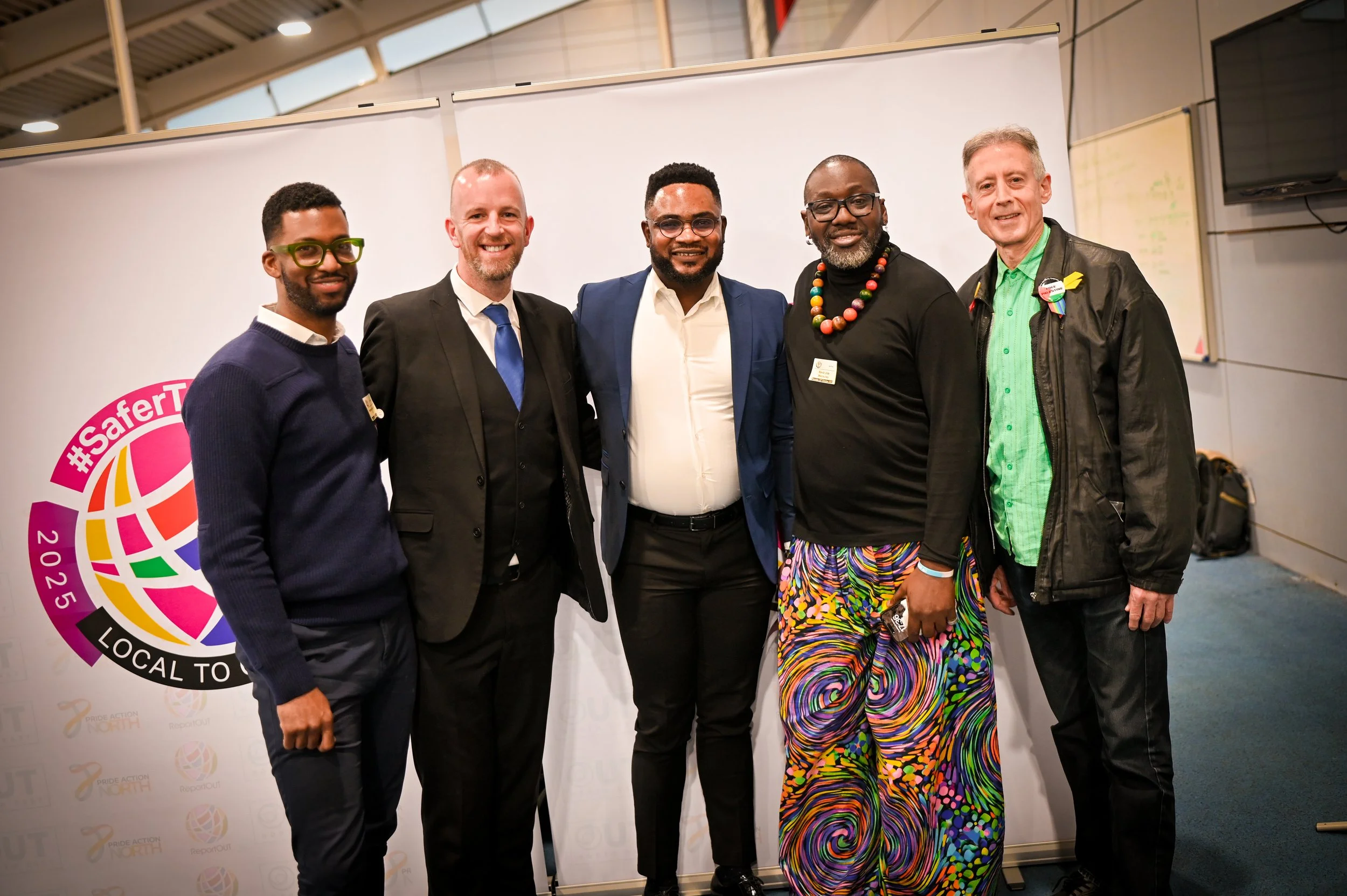
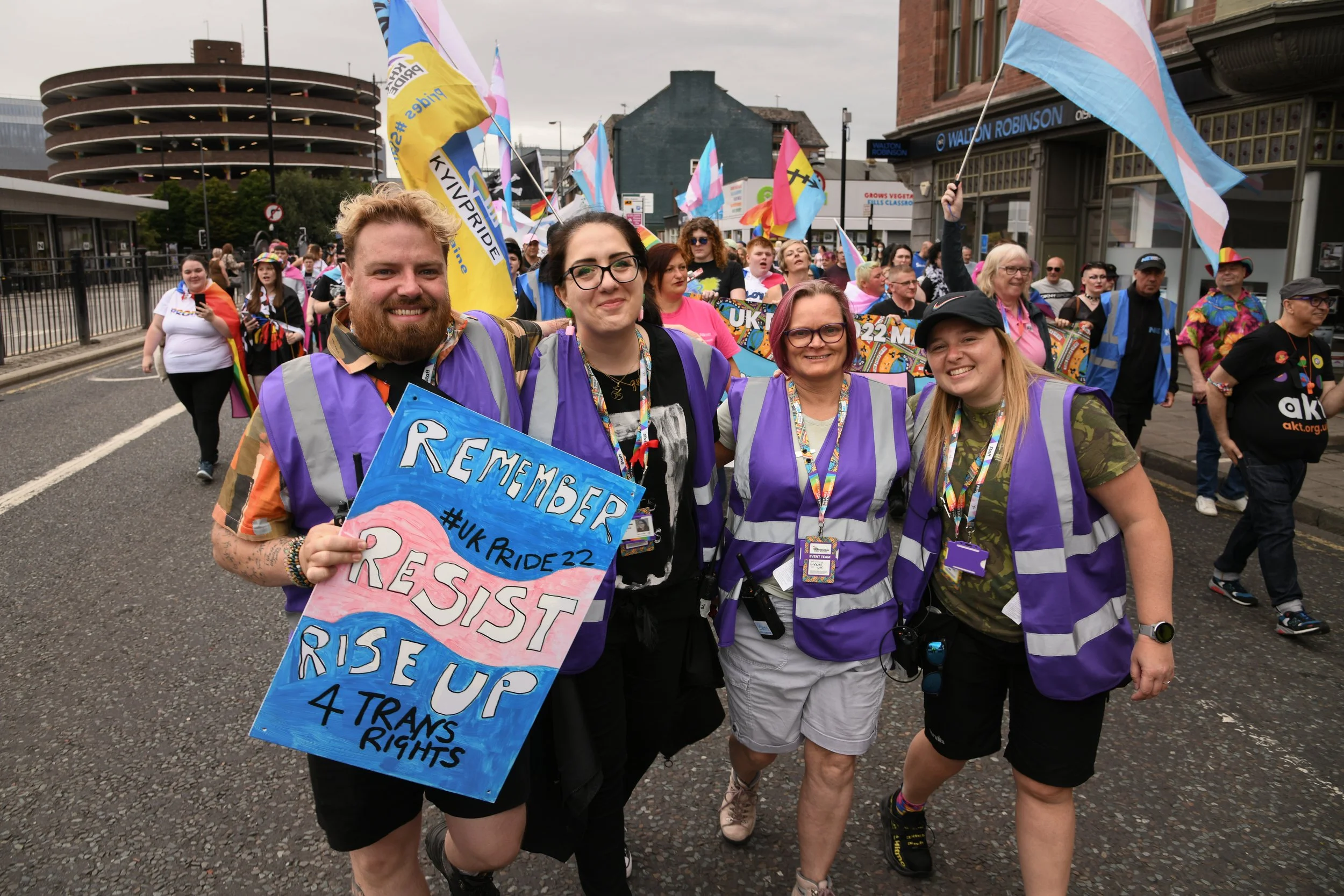

Pride Doesn’t Have One Mood: Joy, Activism, Resistance & Remembrance
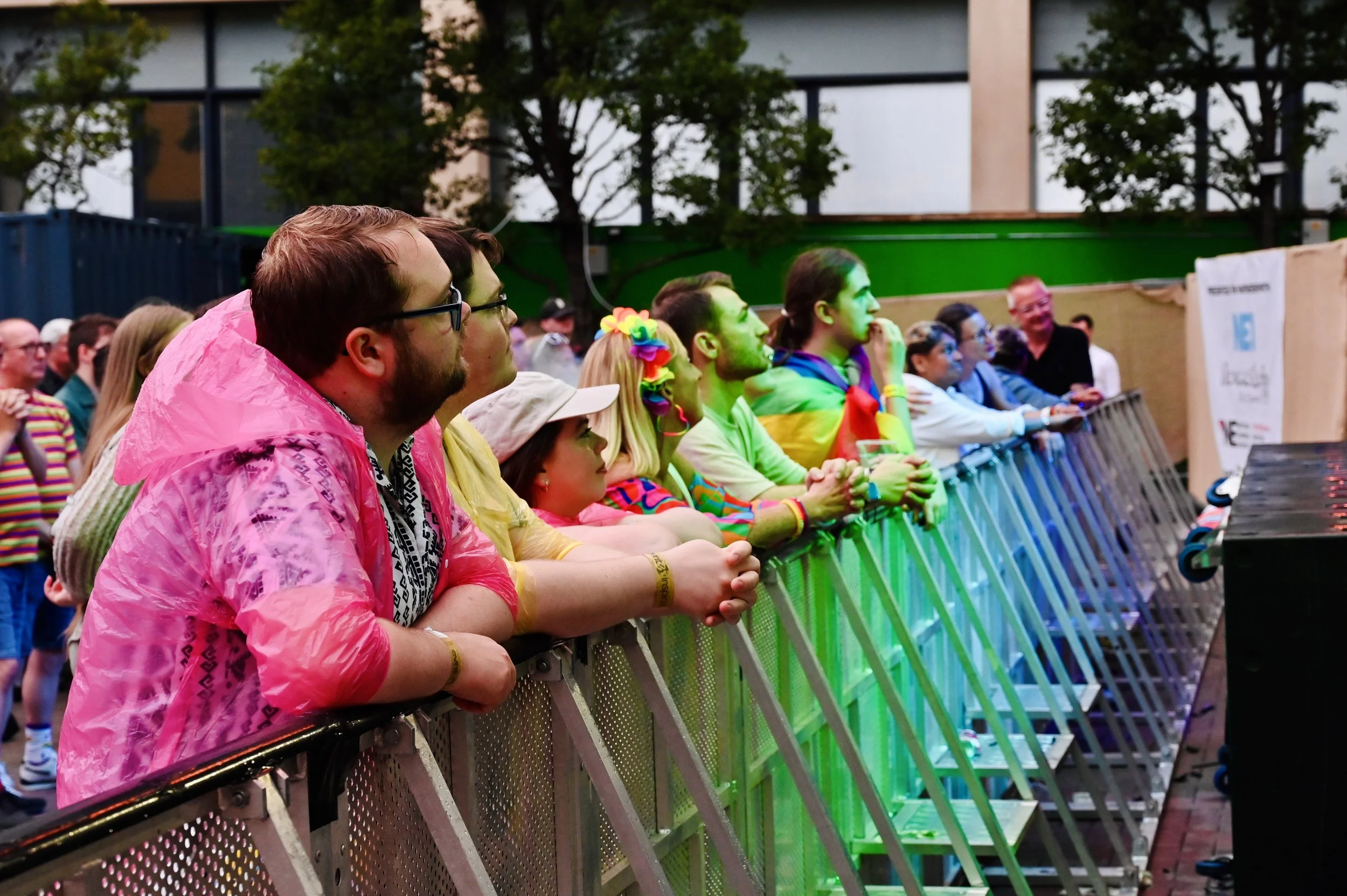
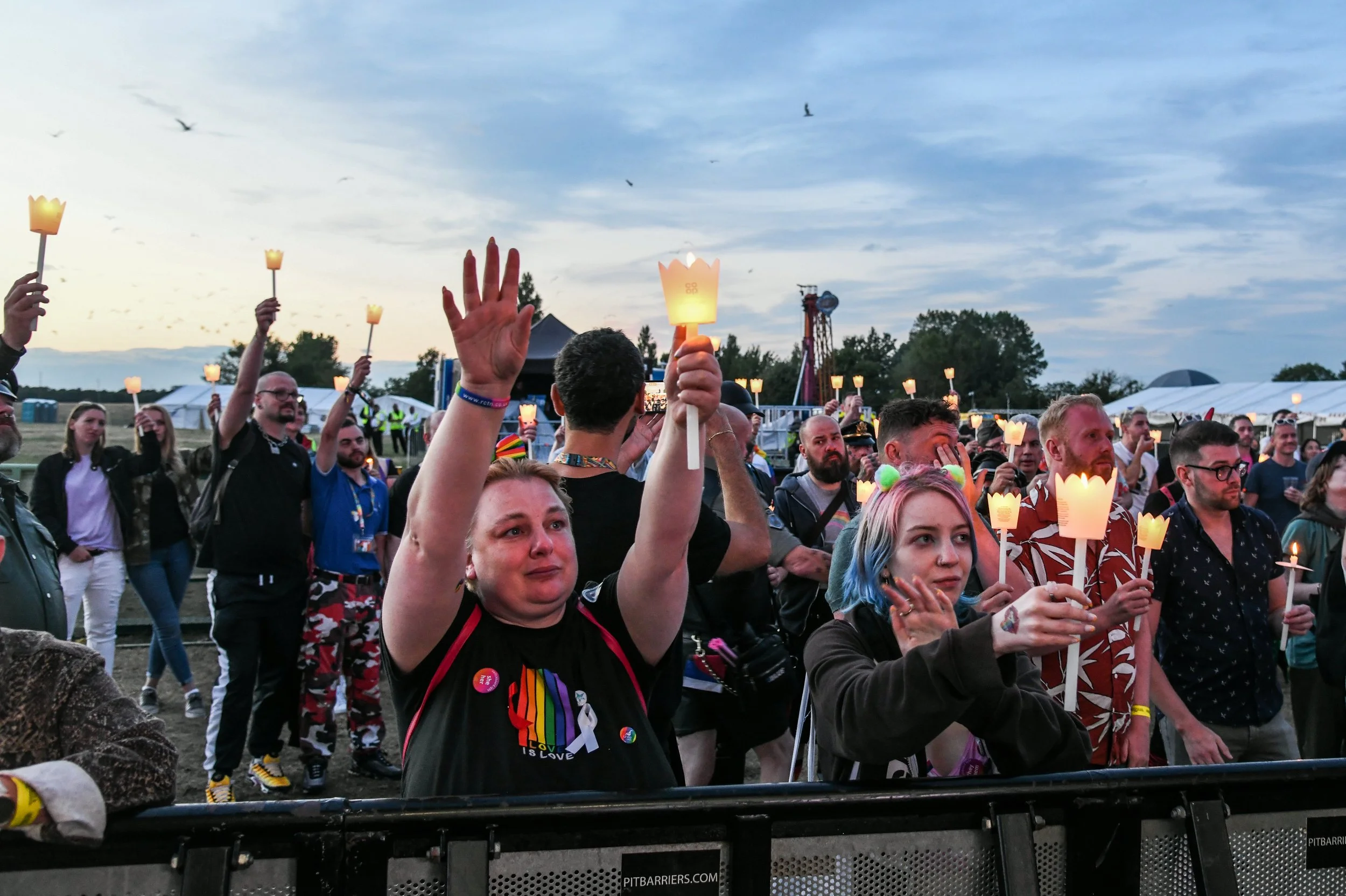
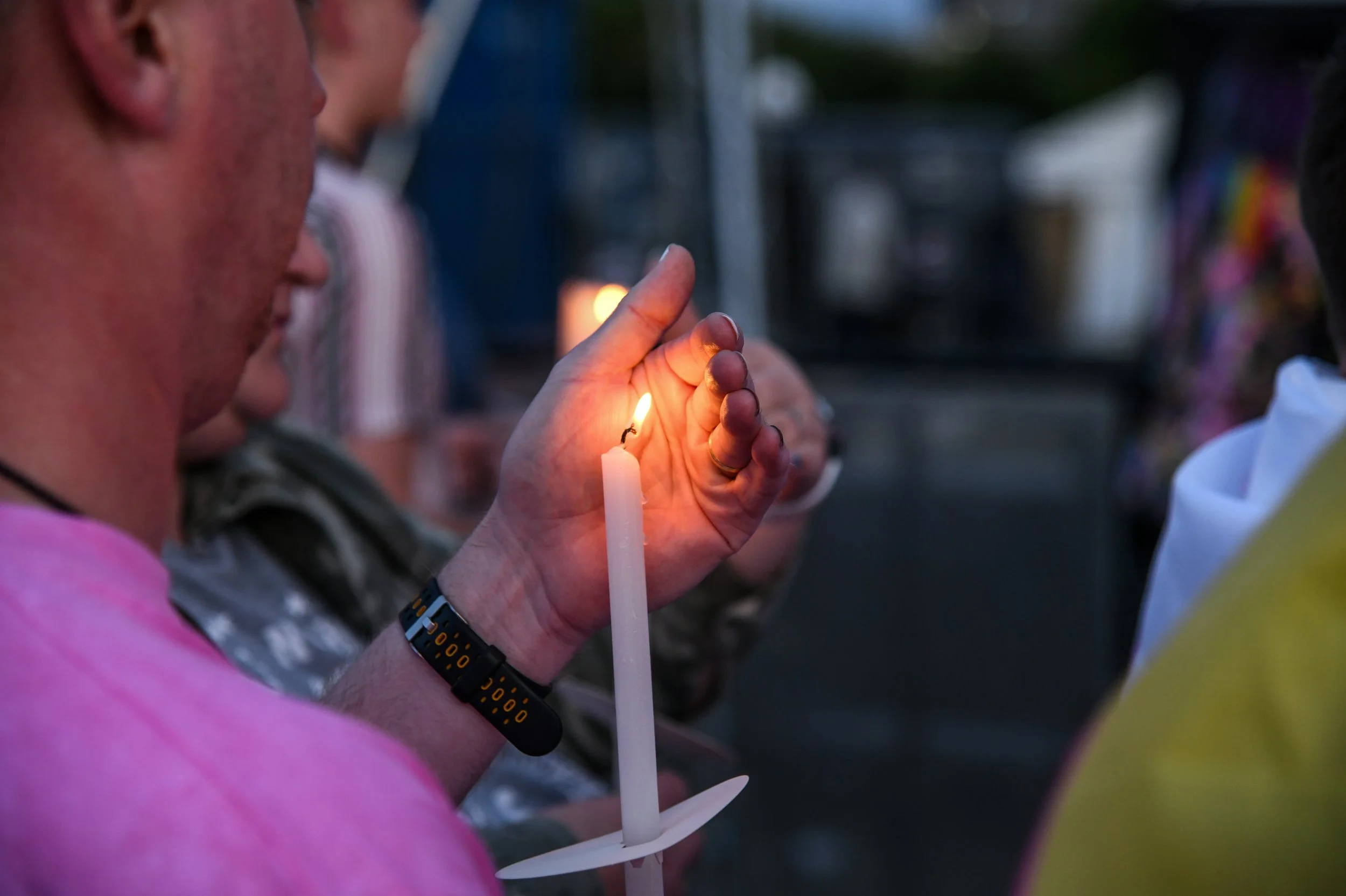
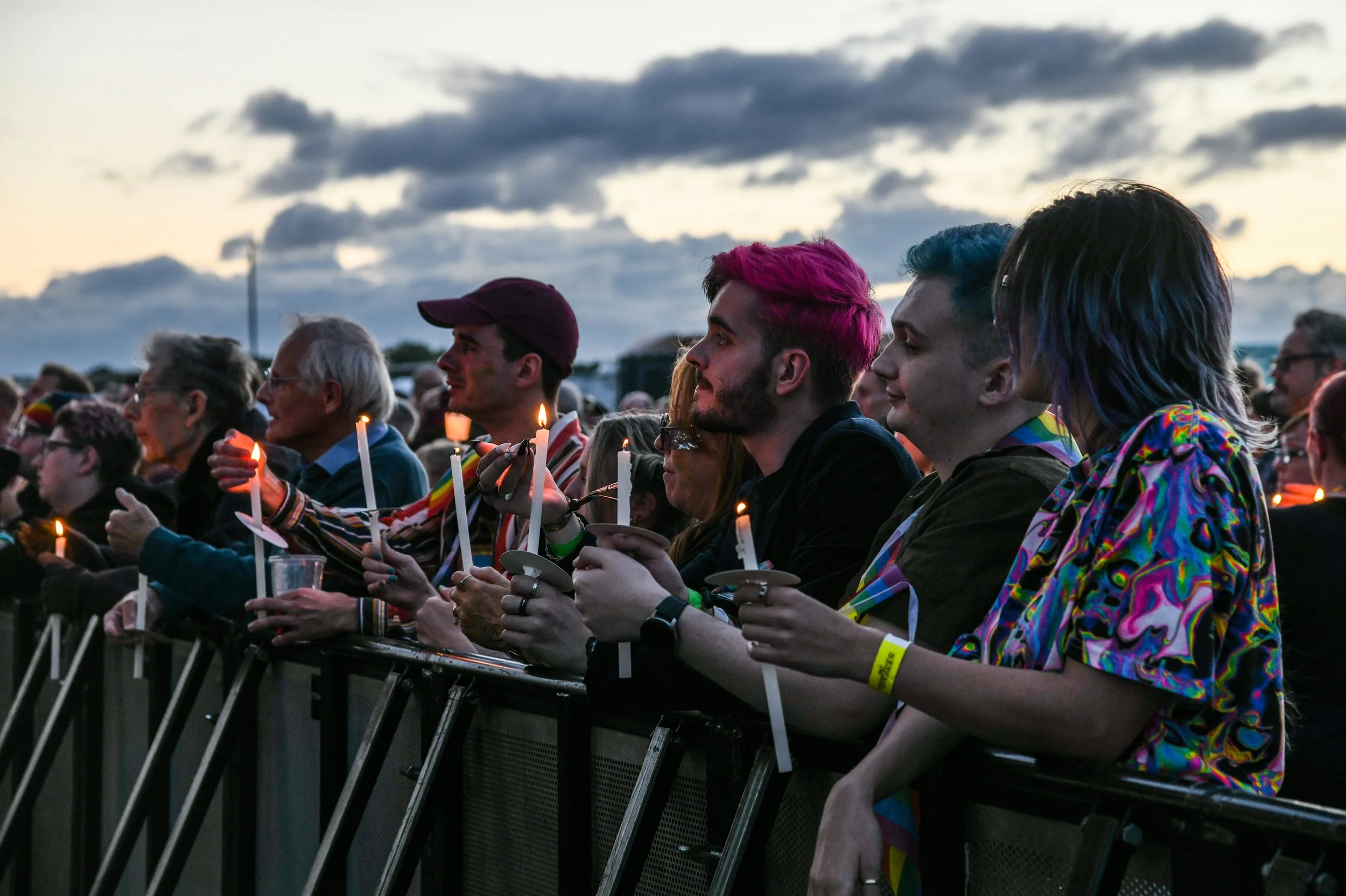
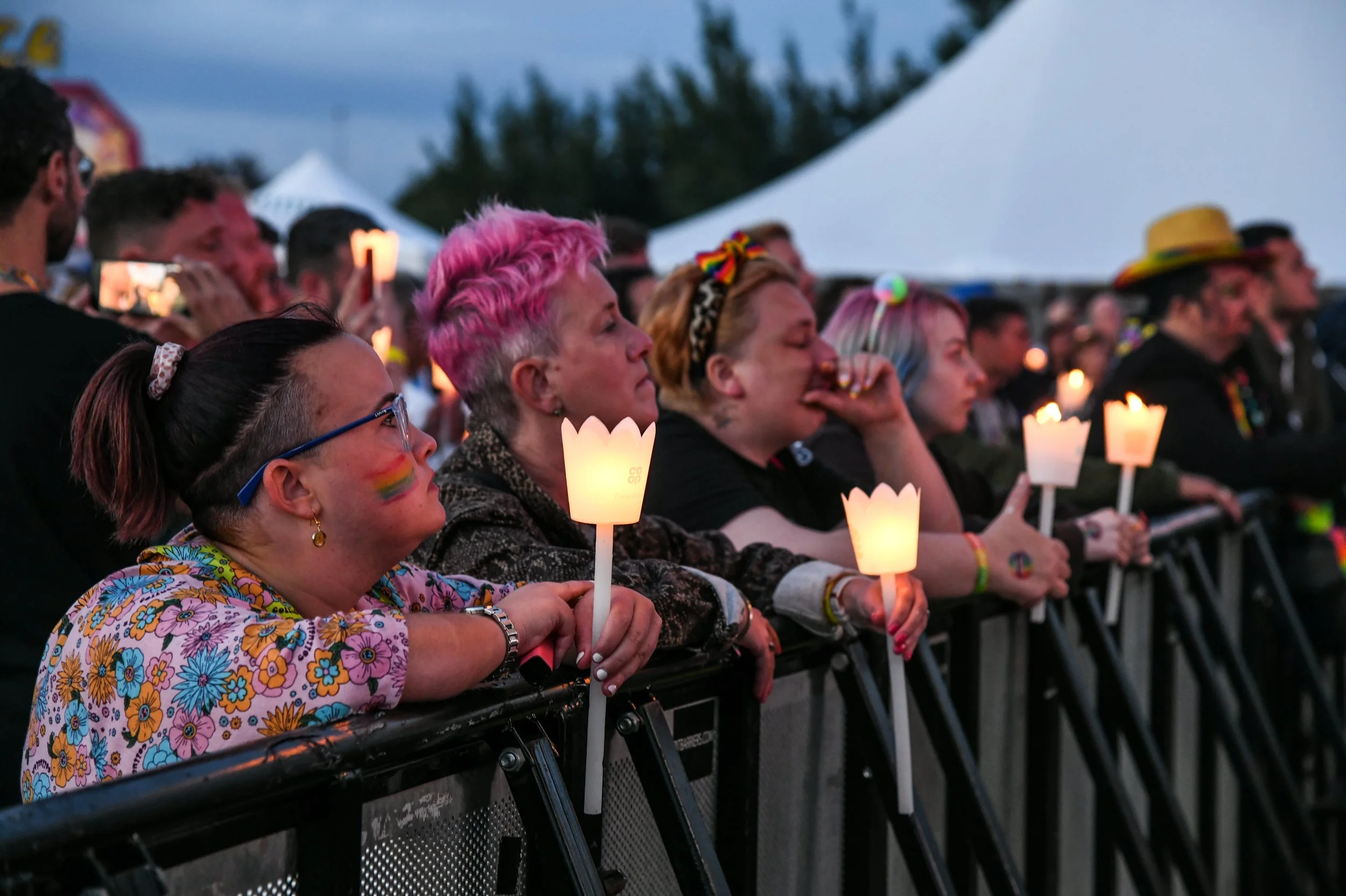
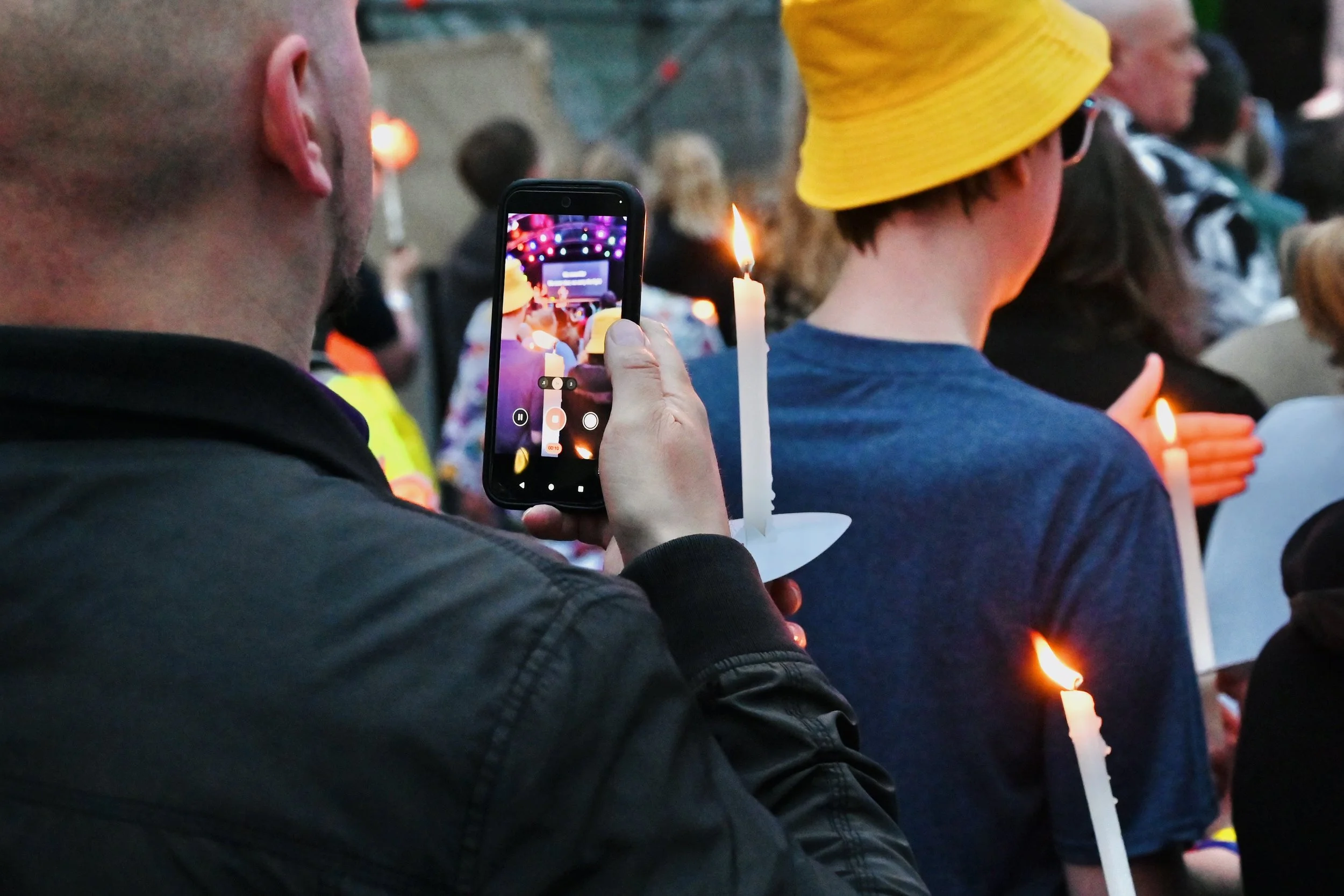
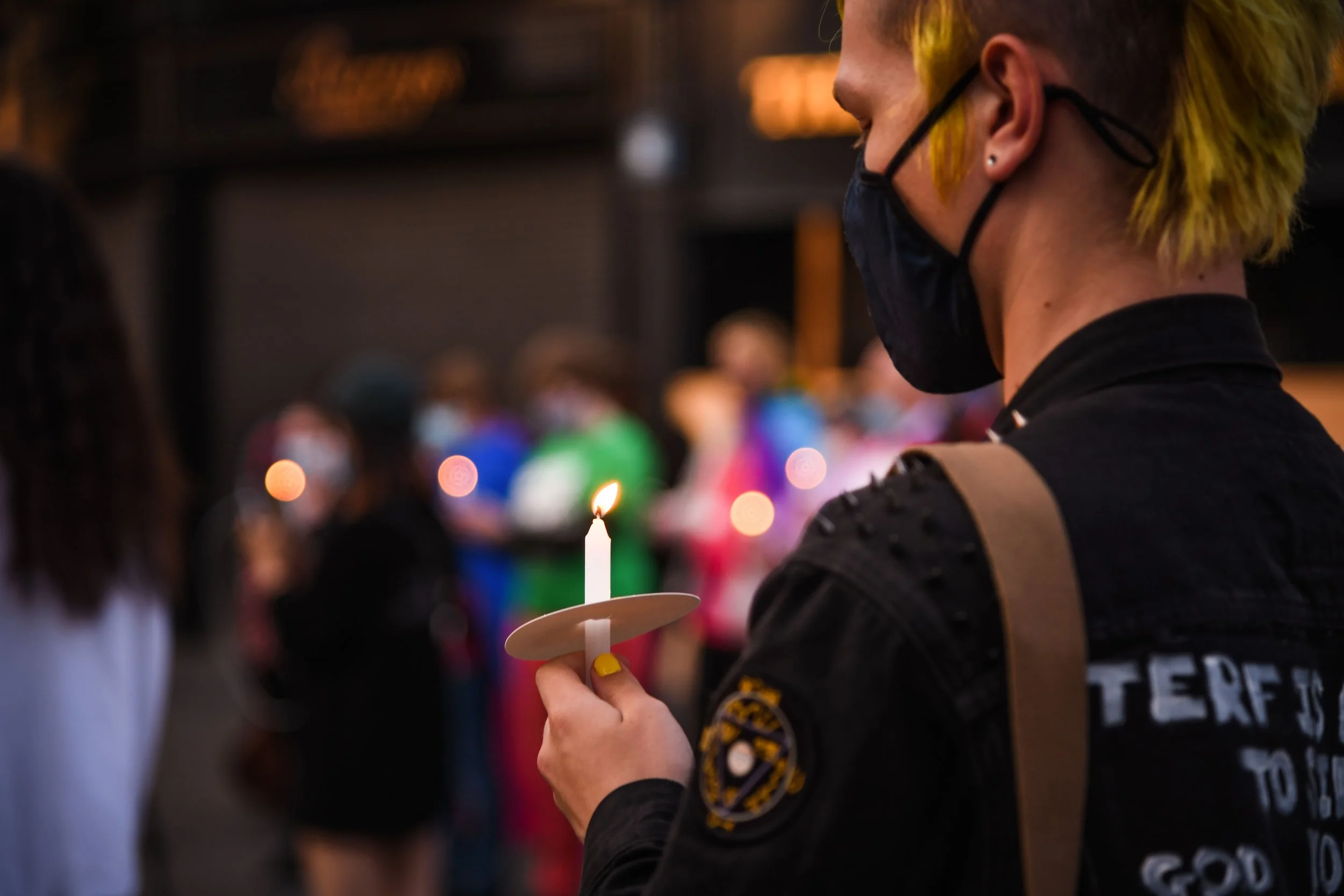
Pride is not just a party. Yes, we dance and celebrate, but some of the most important moments are quiet ones. Vigils honour those we’ve lost and remind us why Pride exists. Photographing these has taught me to be intentional, respectful and non-invasive, and to understand when documenting means stepping back, not stepping forward.


Beyond the Parade: Pride in Everyday Places
Pride doesn’t have to be a street festival; activism often happens in smaller spaces.
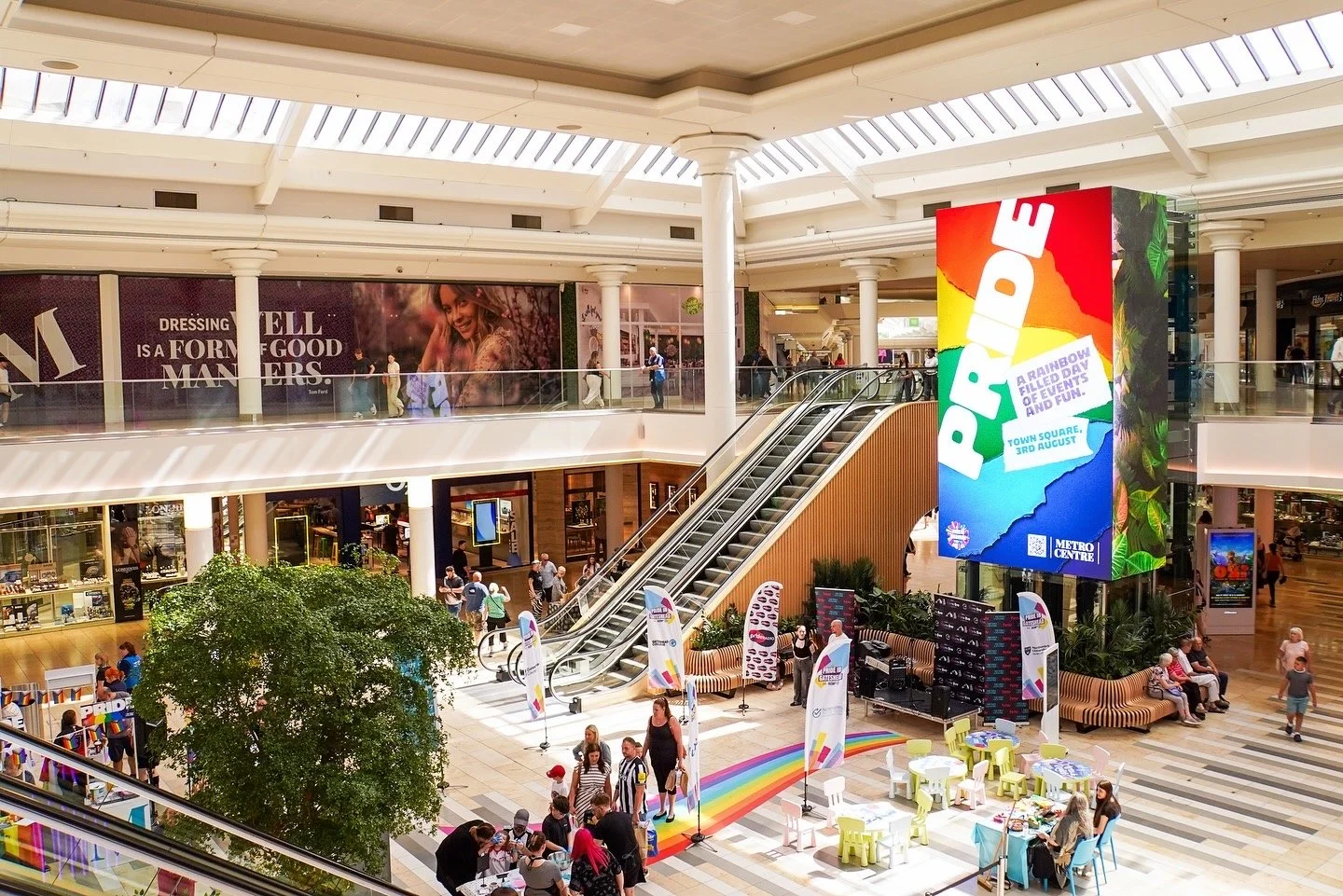
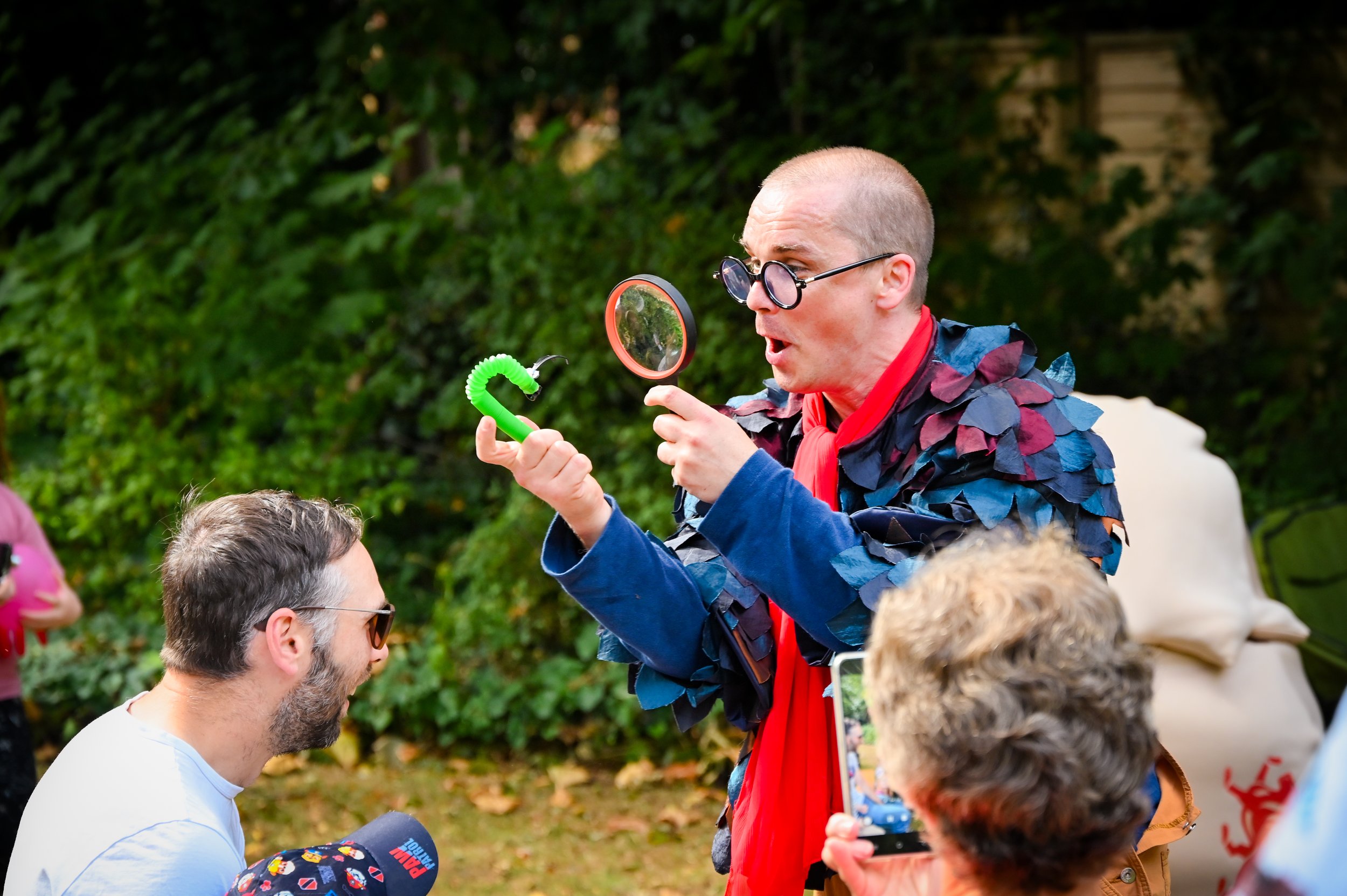
As part of the Newcastle Pride Fringe Festival (which I co-curated), I helped organise events that brought community together in different ways; queer comedy nights, a queer crafts market, and "Arcade Allies," where people played arcade games while getting to know their partner. These spaces celebrated quieter Pride, where belonging is found not in the noise, but the connection.
Even my own queer club night, Spectrum, inspired by Studio 54, was born from this spirit. Each themed night embraced self-expression through conceptual outfits and created a space where queerness could be bold, unapologetic, and celebrated in full colour. Leading that event taught me how energy, creativity and community translate into the images I capture.
Every event, large or small, is activism. Every moment is history.


What Pride Taught Me - 10 Values That Made Me a Better Person (and a Better Photographer)
Not as tips, but as lessons I’ve lived:
Community over competition.
Pride showed me the power of uplifting others; queer spaces thrive when we support and uplift each other. I work closely with other LGBTQ+ photographers and creatives, if I'm already booked for a date, they get the call to have that opportunity. I apply that mindset to collaborations and how I support clients everyday.
Courage to take up space. Being visible is Powerful! Watching others stand proudly helped me to do the same, this then encourage others to show up as their full selves and so on
.
Visibility is Layered. Pride is joy, grief, resistance and celebration can exist all at once - understanding the moments and reading a room with emotional awareness is something that can’t be taught.
Heighten the energy. If you want people to feel something, capture the movement, not just the moment.
Embrace imperfection. A slightly badly lit photo is better than no photo at all - chasing perfection can make you miss the real magic.
Respect and Consent. Trust and respect being the camera is everything. Know when to take a step back and understand that not everything has to be photographed; some moments are allowed to just be moments.
Celebrate individuality. Pride and Spectrum taught me not to hide boldness - now I encourage creative expression in all portraits and fashion shoots.
Know when to be still. Vigils and emotional moments taught me to step back and shoot with care.
Document history with intention. Pride isn’t just about now - it’s about what future generations will look back on, being aware of this is vital and changed.
Carry hope forward. Every shutter click is an act of visibility. That’s powerful.

Learning From Queer History: Phyllis Christopher
Queer history inspires everything I do. One photographer who profoundly shaped my perspective is Phyllis Christopher, whose book Dark Room: San Francisco Sex and Protest, 1988–2003 documents queer life and activism with honesty and depth. I was lucky enough to meet her and she gifted me one of her books; a gesture that reminds me of the importance of mentorship and the power of images to preserve stories.
Her work showed me that photographs are not just moments frozen in time - they are history. Seeing her images of protests, celebrations, and everyday queer life gave me hope that one day, people might look at my photographs decades from now and understand both the joy and struggle of our communities. I carry that same perspective into every frame I take.








Why I Keep Doing This Work
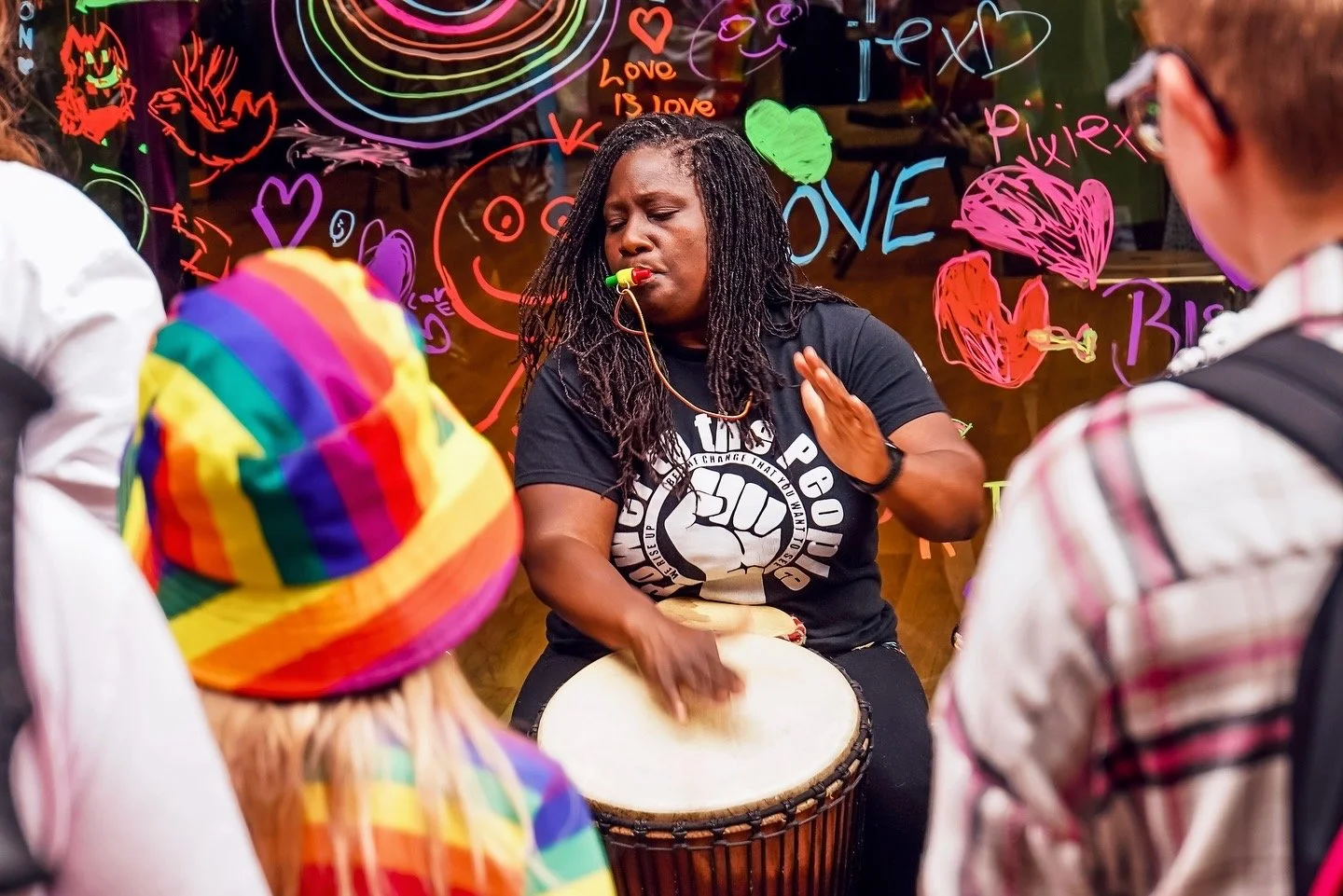
Pride shaped me as both a photographer and as a person. It made me more aware of representation, inclusivity, and authenticity. Every parade, Fringe Festival event, protest, or portrait session is an opportunity to celebrate people, tell stories, and preserve history.
As a Northern LGBTQ+ Pride photographer, I carry these lessons into all my work. Each frame is a chance to document culture, celebrate identity, and contribute to a lasting story. A story I hope people will look back on decades from now and feel connected to.
Looking Back
Sometimes I think back to that kid at his first Pride, holding his camera like a shield, quiet but finally free.
If he could see the life I’m living now, he’d finally exhale.
I’ve grown into the person he needed: someone who shows up, stands tall, and creates space for others to do the same. Someone who celebrates the community that shaped him.
And honestly? That’s something I’m really proud of.